Causes and Treatments for Gum Recession
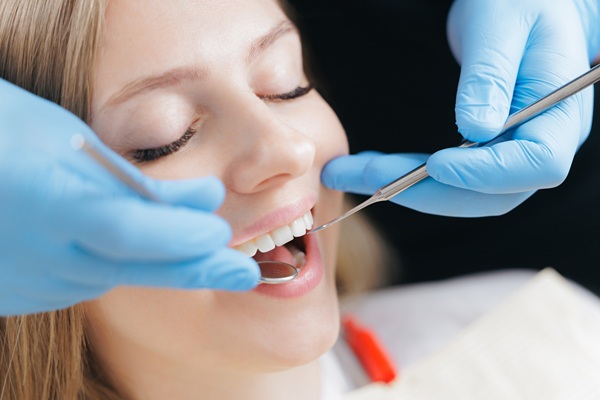
Gum recession is a common dental condition where the gum tissue surrounding the teeth pulls back, exposing more of the tooth or its root. Understanding the causes of gum recession is essential for prevention and treatment. By addressing this issue promptly, a peiodontist can prevent more serious dental problems in the future.
Causes of gum recession
Gum recession can result from various factors:
- Periodontal disease: This bacterial gum infection destroys gum tissue and the supporting bone that holds teeth in place. Periodontal disease is the most common cause of gum recession.
- Genetics: Some individuals are more susceptible to gum recession due to inherited factors.
- Aggressive brushing: Brushing teeth too hard or using a hard-bristled toothbrush can wear down enamel and cause gums to recede.
- Poor oral hygiene: Inadequate brushing, flossing, and rinsing with antibacterial mouthwash can make it easy for plaque to turn into tartar, a hard substance that builds on and between the teeth, leading to gum recession.
- Hormonal changes: Fluctuations in hormone levels during a person's lifetime, such as puberty, pregnancy, and menopause, can make gums more sensitive and vulnerable to gum recession.
- Smoking and other tobacco use: Smokers and users of other tobacco products are more likely to have sticky plaque on their teeth that is difficult to remove, leading to gum recession.
- Grinding and clenching teeth: Excessive force on the teeth from grinding or clenching can cause gums to recede.
- Crooked teeth or misaligned bite: When teeth do not come together evenly, excessive force can be placed on the gums and bone, leading to recession.
Treatments for gum recession
Treating gum recession is crucial to maintain oral health and prevent tooth loss. The appropriate treatment depends on the severity of the condition.
Scaling and root planing
For mild gum recession, a deep cleaning procedure called scaling and root planing may be performed. This involves removing plaque and tartar from the teeth and root surfaces below the gum line and smoothing the exposed root to make it more difficult for bacteria to attach.
Gum graft surgery
In cases where gum recession is more severe, surgical intervention may be necessary. Gum graft surgery involves taking gum tissue from another site in the mouth and attaching it to the affected area. This can help cover exposed roots, reduce sensitivity, and prevent further recession.
Pinhole surgical technique
This minimally invasive procedure involves making a small hole in the gum tissue above the exposed root, through which special instruments are used to gently reposition the gum. This technique can provide immediate results with less discomfort and faster recovery time.
Addressing causes of deterioration
Using mouthguards or other devices can alleviate the pressure from grinding or clenching, preventing further gum recession. Correcting misaligned teeth through orthodontic treatment can also reduce the forces causing gum recession.
Regeneration
If bone loss has occurred, a regenerative material may be applied to the affected area to encourage the body to regenerate bone and tissue naturally.
Consult a dental specialist
Gum recession is a significant dental concern that can lead to serious complications if left untreated. Recognizing the causes and seeking appropriate treatments are essential to preserving oral health. Consulting with a dental professional, such as an oral surgeon or periodontist, can effectively provide personalized strategies to manage and prevent gum recession. For more information, schedule a consultation visit today at North Denver Dental and Implants.
Request an appointment here: https://www.thedentistindenverco.com or call North Denver Dental and Implants at (303) 731-5889 for an appointment in our Denver office.
Check out what others are saying about our services on Yelp: Gum Recession in Denver, CO.
Related Posts
When you have severe pain or unexpected dental trauma, getting emergency dentistry should be your first priority. If you experience sudden tooth pain, a general dentist is usually the go-to provider. Many people worry that their regular dental office cannot handle urgent issues. However, general dentists have the tools and training to treat serious oral…
Clear aligners are a great orthodontic option that many general dentists are now offering. They are popular due to their flexibility, convenience, and ease; however, because they are still considered relatively new to dentistry, there are still a lot of questions regarding how they work and what the treatment process entails. Read on to learn…
Tooth sealants are essential for protecting natural teeth from decay and damage. Dentists apply these thin, protective coatings to the chewing surfaces of your molars and premolars. While tooth sealants are particularly effective for children and teenagers, they can also benefit adult patients seeking extra protection against tooth decay. By providing an additional layer of…
When a dental filling or crown becomes loose, cracked, or worn, seeing a restorative dentist right away is the best way to protect your tooth. It is easy to ignore a tiny chip or a twinge when biting down, but those minor changes are often the tooth’s way of sounding an alarm. Taking action and…